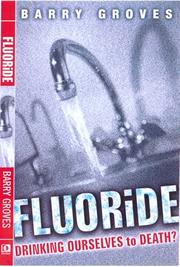
Water Fluoridation Conspiracy
The claim that water fluoridation is a plot to dispose of industrial waste or to weaken the population through chemical poisoning.
Tracking Conspiracy Theories — Old, New, Emerging, Evolving
The claim that water fluoridation is a plot to dispose of industrial waste or to weaken the population through chemical poisoning.
The "Water Fluoridation Conspiracy" theory claims that the addition of fluoride to public drinking water is not primarily for dental health benefits, but rather serves a nefarious purpose, often involving government control, mass medication, or a plot by powerful entities. This overarching theory encompasses various sub-theories, ranging from fluoride being a communist plot to weaken the population to it being a method for disposing of industrial waste or a cause of serious health problems like cancer or reduced intelligence. Adherents often believe that governments and health organizations are withholding or suppressing information about fluoride's alleged dangers.
The water fluoridation conspiracy theory has fueled significant public opposition to fluoridation initiatives globally, leading to communities discontinuing its use or rejecting its implementation through referendums. This opposition often involves organized political movements, protests, and legal challenges against public health policies. Misinformation stemming from these theories has been amplified by the internet and social media, creating distrust in public health programs and scientific consensus. Recently, some states in the U.S. have proposed or passed legislation to reduce or eliminate water fluoridation, such as Utah in March 2025.
Opposition to water fluoridation emerged shortly after its initiation in the 1940s. In the 1950s and 1960s, particularly during the "Second Red Scare" in the United States, the theory gained traction as a communist conspiracy to weaken American public health. While early opposition also focused on general health risks and individual rights, the communist plot narrative became a notable feature. Over time, as Cold War paranoia receded, the conspiracy evolved to encompass broader claims of government malfeasance, industrial waste disposal, and a wider array of alleged adverse health effects, including concerns about lower IQ and neurological damage. The rise of the internet and social media in the 2000s facilitated the wider circulation of these theories beyond smaller activist groups.
International and national agencies, as well as major dental and medical associations worldwide, support the safety and effectiveness of water fluoridation. Organizations such as the Centers for Disease Control and Prevention (CDC), the American Dental Association (ADA), and the World Health Organization (WHO) endorse it as a safe, effective, and cost-efficient public health measure for preventing tooth decay and improving oral health. The CDC has even recognized water fluoridation as one of the top ten great public health achievements of the 20th century. While acknowledging that dental fluorosis (discoloration or mottling of tooth enamel) can occur, particularly at higher fluoride levels, mainstream scientific consensus indicates that severe fluorosis is rare at recommended concentrations. Claims linking fluoridation to cancer, neurological conditions, or other serious health problems have been widely investigated and largely repudiated or found to lack compelling evidence at the levels used in community water supplies. Experts emphasize that the benefits of fluoridation, especially for underserved communities, significantly outweigh any minimal risks.