MKUltra Mind Control
While MKUltra was a real CIA program, many conspiracy theories extend its scope to modern mind-control experiments and targeted individuals.
Tracking Conspiracy Theories — Old, New, Emerging, Evolving
While MKUltra was a real CIA program, many conspiracy theories extend its scope to modern mind-control experiments and targeted individuals.
"MKUltra Mind Control" refers to a top-secret and illegal human experimentation program designed and undertaken by the U.S. Central Intelligence Agency (CIA) from 1953 to 1973. The program's primary objective was to research and develop procedures and drugs that could be used in altering and controlling human behavior for intelligence and counterintelligence purposes, particularly in response to perceived Soviet, Chinese, and North Korean advances in mind control techniques during the Cold War. MKUltra employed a wide array of controversial methods, including the covert administration of high doses of psychoactive drugs, such as LSD, often without subjects' consent, as well as electroshock, hypnosis, sensory deprivation, isolation, and various forms of abuse and torture.
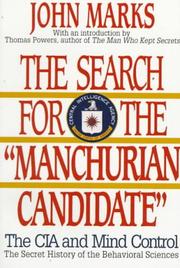
The real-world impact of Project MKUltra was profound and often devastating. Many unwitting test subjects suffered severe and sometimes lifelong psychological and physical trauma, including paranoia, hallucinations, violent feelings, and permanent brain damage, with some cases leading to death. The revelations about MKUltra, particularly through the Church Committee investigations in the 1970s, sparked public outrage over government overreach and unethical human experimentation. The techniques explored in MKUltra, such as sensory deprivation and psychological manipulation, laid the groundwork for modern interrogation methods, including those later used in "enhanced interrogation techniques." The program also inadvertently contributed to the spread of psychedelic drugs like LSD in the 1960s, as some subjects (like Ken Kesey and members of the Grateful Dead) were part of experiments. Lawsuits were filed by victims and their families against the U.S. and Canadian governments, leading to some out-of-court settlements and compensation, though not always with admitted liability. Culturally, the program has influenced numerous books, films, and TV series, contributing to public fascination and concern about government mind control, such as "The Manchurian Candidate" and "Stranger Things."
Project MKUltra originated in the early 1950s, officially beginning in 1953, stemming from intense Cold War paranoia regarding alleged mind control techniques used by the Soviet Union, China, and North Korea on U.S. prisoners of war during the Korean War. The CIA, under Director Allen Dulles, sought to develop its own methods to counter these perceived threats and gain an advantage in "brain warfare." The program was preceded by earlier, less extensive CIA mind control efforts such as Project Bluebird (launched during the Truman administration) and Project Artichoke, which focused on developing "truth drugs" and exploring the use of drugs, hypnosis, and shock in interrogations.
MKUltra expanded these efforts, encompassing over 130 to 149 sub-projects conducted at numerous institutions, including universities, hospitals, prisons, and pharmaceutical companies, often through front organizations. The program utilized methods adapted from earlier unethical human experimentation, including some conducted by Nazi scientists who were later employed by the U.S. government. Although it officially ran until 1973, many experiments, particularly those under Dr. Ewen Cameron, continued into the early 1960s, with the program reportedly winding down around 1964 and being replaced by a "tamer" project called MK-SEARCH. The existence of MKUltra was largely revealed to the public in 1975 through investigations by the Church Committee and the Rockefeller Commission, despite the destruction of most of its records by then-CIA Director Richard Helms in 1973.
The mainstream perspective, including official institutions, experts, and fact-checkers, widely acknowledges Project MKUltra as a documented and illegal human experimentation program that involved gross violations of individual rights and medical ethics. Its existence was officially exposed and condemned through congressional investigations in the mid-1970s. These investigations, primarily by the Church Committee and the Rockefeller Commission, confirmed that the CIA engaged in unethical activities, including administering psychoactive drugs and employing other extreme methods on unwitting individuals.
While the fact of the program's existence and its unethical nature is not disputed, some of the more sensational and far-reaching conspiracy theories that extend beyond the documented scope of MKUltra are typically viewed with skepticism by mainstream sources. For example, theories linking MKUltra to widespread, ongoing mind control operations or specific modern events without concrete evidence are often categorized as speculative. However, the established history of MKUltra serves as a cautionary tale regarding governmental abuses of power and the importance of oversight and ethical guidelines in research and intelligence operations.