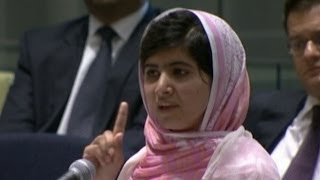
Malala Yousafzai Spy Allegations
Conspiracy theories alleging Malala Yousafzai is a Western spy or that her shooting by the Taliban was staged for political purposes.
Tracking Conspiracy Theories — Old, New, Emerging, Evolving
Conspiracy theories alleging Malala Yousafzai is a Western spy or that her shooting by the Taliban was staged for political purposes.
The "Malala Yousafzai Spy Allegations" constitute a conspiracy theory that emerged predominantly in Pakistan following the 2012 assassination attempt on Malala Yousafzai by the Tehrik-i-Taliban Pakistan (TTP). This theory broadly claims that Yousafzai's activism, her shooting, and subsequent global recognition were not authentic but rather a staged event orchestrated by Western intelligence agencies, primarily the U.S. Central Intelligence Agency (CIA), or that she is an agent of such entities. The general scope of the theory aims to discredit Malala's narrative and her advocacy for girls' education, often portraying her as a puppet of the West designed to destabilize Pakistan or further Western agendas.
The conspiracy theory has led to significant negative real-world impacts, particularly within Pakistan. It has fueled widespread anti-Malala sentiment in certain segments of Pakistani society, with many viewing her as an "agent of the West" rather than a national hero. This has manifested in social media backlashes, critical comments from public figures, and even organized campaigns, such as the All Pakistan Private Schools Federation (APPSF) banning her autobiographical book, "I Am Malala," from private schools and releasing an opposing book titled "I Am Not Malala". The persistence of these theories risks obscuring Malala's core message of education and anti-extremism in the very country where it holds significant importance.
The "Malala Yousafzai Spy Allegations" originated almost immediately after she was shot by the Taliban in October 2012. Initially, the theories questioned the authenticity of the attack itself, suggesting it was a hoax or staged. Over time, as Malala gained international prominence, including the Nobel Peace Prize, the theories evolved to accuse her of being a direct agent of Western powers, particularly the CIA, or a puppet used to promote Western agendas and defame Pakistan. This widespread conspiracy thinking is deeply rooted in Pakistan's history, marked by public distrust of governments, powerful security establishments, and a narrative often influenced by anti-American and anti-Western sentiments.
The "Malala Yousafzai Spy Allegations" are widely dismissed by experts, fact-checkers, and official institutions as unsubstantiated conspiracy theories. The fact that Malala was shot by the Taliban was confirmed by the militant group itself, which boasted of its crime. Doctors in Pakistan, the U.K., and the UAE saw and treated her wounds, directly refuting claims of faked injuries. Mainstream Pakistani media, for the most part, focuses on the significance of girls' education and supports Malala's campaigning activities, portraying her as a "daughter of the nation" and a symbol of resistance. Many observers note that these theories "make no sense" and are often a mechanism for those who struggle to understand complex global events to latch onto easy, albeit false, explanations. Governments and human rights organizations worldwide have condemned the attack on Malala and support her advocacy.