John F. Kennedy assassination
Multiple conspiracy theories about JFK's 1963 assassination. Accused parties include the CIA, Mafia, Lyndon B. Johnson, Fidel Castro, and the KGB.
Tracking Conspiracy Theories — Old, New, Emerging, Evolving
Multiple conspiracy theories about JFK's 1963 assassination. Accused parties include the CIA, Mafia, Lyndon B. Johnson, Fidel Castro, and the KGB.
The assassination of John F. Kennedy, the 35th President of the United States, on November 22, 1963, in Dallas, Texas, has generated numerous conspiracy theories that posit a broader plot beyond the official conclusion of a lone assassin, Lee Harvey Oswald. These theories generally claim that Oswald did not act alone, or was not involved at all, and that a cover-up by governmental or other powerful entities occurred to conceal the true perpetrators and motives behind Kennedy's death. The general scope of these theories extends to various alleged conspirators, aiming to explain inconsistencies or unanswered questions surrounding the assassination and its aftermath.
The John F. Kennedy assassination conspiracy theories have had a profound and lasting real-world impact, significantly eroding public trust in government institutions. The assassination, and the subsequent official investigations, became a "foundational myth of modern American populism" and a turning point for widespread skepticism towards official narratives. It fostered a "post-truth, fake-news, 'don't trust the experts'" mentality that predated the digital age and influenced later conspiracy theories, including those related to events like 9/11, COVID-19, and QAnon. The popular 1991 film JFK by Oliver Stone reignited public debate and contributed to the passage of the 1992 JFK Records Act, which mandated the release of assassination-related documents, though some remain classified.
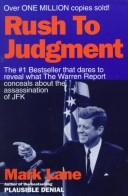
Conspiracy theories surrounding the JFK assassination began almost immediately after the event on November 22, 1963. Initial suspicions arose from the swift arrest of Lee Harvey Oswald, his subsequent denial of guilt as a "patsy," and his murder by Jack Ruby just two days later. Early authors like Mark Lane and Thomas Buchanan published works in 1963 and 1964, respectively, questioning the official narrative. The 1964 Warren Commission report, which concluded Oswald acted alone, failed to quell public doubt, and skepticism grew, particularly after the Vietnam War and Watergate scandals eroded trust in government. The 1975 public airing of the Zapruder film, which captured the assassination, further fueled speculation, especially regarding a possible second gunman. In 1979, the United States House Select Committee on Assassinations (HSCA) concluded there was a "high probability" of a conspiracy with at least two gunmen, although it could not identify accomplices. This finding, despite later debunks of its acoustic evidence, solidified the belief in a conspiracy for many. The theories have since evolved, incorporating various alleged perpetrators, and continue to be a subject of intense public and academic debate, influencing broader cultural skepticism.
The mainstream perspective, largely defined by official government investigations, primarily adheres to the findings of the 1964 Warren Commission. The Warren Commission concluded that Lee Harvey Oswald acted alone in assassinating President Kennedy and that there was no credible evidence of a conspiracy, foreign or domestic. While the 1979 House Select Committee on Assassinations (HSCA) later introduced the possibility of a "probable conspiracy" and a second gunman based on acoustic evidence, this conclusion has been widely debated and its acoustic evidence subsequently debunked. Despite these official reports, public opinion polls have consistently shown that a majority of Americans believe there was a conspiracy to kill Kennedy, though there is no consensus on who else might have been involved. Experts, fact-checkers, and official institutions generally view the myriad conspiracy theories as lacking definitive evidence to overturn the core finding of Oswald as the sole assassin, though they acknowledge flaws in the initial investigations and the existence of government cover-ups regarding intelligence agency activities, not necessarily the assassination itself.