Freemasonry Control
Conspiracy theories alleging Freemasons control economies or judiciaries of multiple countries, with alleged involvement in major historical events.
Tracking Conspiracy Theories — Old, New, Emerging, Evolving
Conspiracy theories alleging Freemasons control economies or judiciaries of multiple countries, with alleged involvement in major historical events.
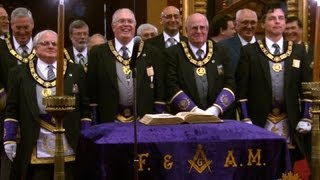
The "Freemasonry Control" conspiracy theory posits that the global fraternal organization of Freemasonry secretly manipulates world events, governments, economies, and social institutions for its own hidden agenda. These theories often depict Freemasons as a powerful, clandestine cabal working to undermine democracy and establish a "New World Order" or a one-world government. The secretive nature of the organization, its historical influence, and the inclusion of prominent figures in its ranks contribute to the persistent belief that Freemasonry exerts control behind the scenes.
Freemasonry conspiracy theories have led to significant real-world events and movements. Historically, anti-Masonic sentiment fueled the creation of the Anti-Masonic Party in the United States in the 1820s, a political group formed after a former Mason, William Morgan, disappeared after threatening to expose the group's secrets. Throughout history, Freemasons have been persecuted by authoritarian regimes. For example, during World War II, Freemasons were among those targeted during the Holocaust, and their lodges were crushed by leaders like Mussolini, Hitler, and Franco. Francisco Franco, the Spanish dictator, often associated his opposition with both Freemasonry and Communism. Today, Freemasonry remains banned in China and in most of the Muslim world, with some groups, like Hamas, describing it as a "network of spies" promoting a "Zionist cause." The theories also contributed to the "Propaganda Due" (P2) scandal in Italy, where a clandestine Masonic lodge was implicated in political corruption and alleged plots to take over the Italian government.
Conspiracy theories about Freemasonry have existed since the late 18th century, emerging during periods of social upheaval like the French Revolution. Early theories often linked Freemasons to revolutionary plots and a perceived undermining of existing political orders. The Catholic Church, for most of the 19th century, officially viewed Freemasons as responsible for societal ills through a "demonic conspiracy."
Over time, these theories have adapted. In the 19th century, anti-Semitic elements were incorporated, leading to the "Judeo-Masonic conspiracy" theory, exemplified by the forgery The Protocols of the Elders of Zion. The 20th century saw the theories used by authoritarian regimes to justify persecution. In the modern era, the internet has amplified the spread of these theories, with new claims emerging, linking Freemasonry to events such as the Apollo moon landing, the sinking of the Titanic, and even reptilian humanoids. The enduring secrecy of the Freemasons, even when dispelling myths, continues to fuel speculation and allows for the creation of new conspiracy narratives.
Experts, fact-checkers, and official institutions generally regard "Freemasonry Control" as a baseless conspiracy theory. While Freemasonry is a fraternal organization with secretive rituals and a history of influential members, mainstream perspectives clarify that it has no political agenda, does not control world governments, and its "secrets" are primarily modes of recognition and moral lessons. Many academic sources and Masonic organizations themselves refute the core claims, emphasizing that Freemasonry requires a belief in a Supreme Being (without dictating a specific religion), prohibits political and religious discussions in lodges, and promotes charitable work and self-improvement. The idea of a centralized worldwide body controlling all Freemasonry is also debunked, as each Grand Lodge is independent. The persistence of these theories is often attributed to human curiosity about the unknown, historical contexts of social upheaval, and the "paradox of visibility" where prominent symbols and buildings exist alongside private meetings.