Alternative therapy suppression
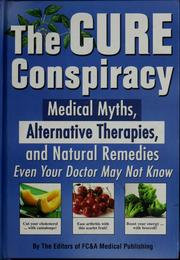
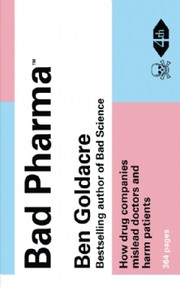
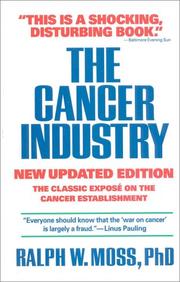
The belief that the FDA and pharmaceutical companies deliberately suppress natural cures for cancer and other diseases to protect their profits.
Tracking Conspiracy Theories — Old, New, Emerging, Evolving
The belief that the FDA and pharmaceutical companies deliberately suppress natural cures for cancer and other diseases to protect their profits.
The "Alternative therapy suppression" conspiracy theory posits that the medical and scientific establishment, often driven by the financial interests of large pharmaceutical companies (dubbed "Big Pharma"), actively suppresses effective natural or alternative therapies. Proponents of this theory believe that these powerful groups conspire to prevent the public from accessing beneficial treatments that could undermine the profitability of conventional medicine, including drugs, surgeries, and vaccines. This suppression is allegedly carried out through various means, leading the public to remain ignorant of these supposedly effective alternative cures.
The "Alternative therapy suppression" conspiracy theory has a significant real-world impact, contributing to distrust in conventional medicine and influencing health-related decisions. A notable percentage of the public, for instance, believes that the FDA intentionally suppresses natural cancer cures at the behest of pharmaceutical companies. This distrust can lead individuals to reject evidence-based medical advice and choose unproven or disproven alternative modalities, sometimes with severe consequences for their health. The theory is often linked to the promotion of "conspirituality," where wellness influencers offer untested supplements and workshops, sometimes explicitly claiming that conventional medications are unnecessary. Historically, legal battles have occurred where alternative practitioners fought for their right to exist against suppression by the medical establishment.
The idea of alternative medicine suppression has roots in the historical conflicts between different medical practices. In the early 20th century, following reports like the Flexner Report in 1910, many medical schools teaching homeopathy, naturopathy, and herbal medicine were defunded or shut down, leading to the marginalization of these practices. This period saw some alternative practices, such as homeopathy and chiropractic, actively suppressed by the medical and legal establishment. The concept of "alternative medicine" itself gained traction in the 1970s. With the rise of the internet, the theory of suppression by "Big Pharma" and the "scientific establishment" has become widespread, particularly blaming pharmaceutical companies for prioritizing profit over genuine cures. The COVID-19 pandemic also saw an increase in related conspiracy theories, including claims of suppressed cures for the virus.
Experts, fact-checkers, and official institutions generally view the "Alternative therapy suppression" theory as unsubstantiated and lacking evidence. They argue that the medical profession is willing to adopt any treatment that helps patients, regardless of its origin, provided there is scientific evidence of its efficacy and safety. The rigorous scientific method, including clinical trials, is considered essential for validating treatments, and the claim that alternative therapies "defy scientific investigation" is dismissed as a misunderstanding of scientific capabilities. Critics also point out that while pharmaceutical companies have legitimate issues, the blanket accusation of suppressing cures for profit is a conspiracy theory used to promote unproven practices. Mainstream perspectives emphasize that many alternative therapies lack solid research to prove their effectiveness and can even be dangerous if they lead patients to forgo evidence-based conventional treatments.